
Loft and Garage Conversions Explained
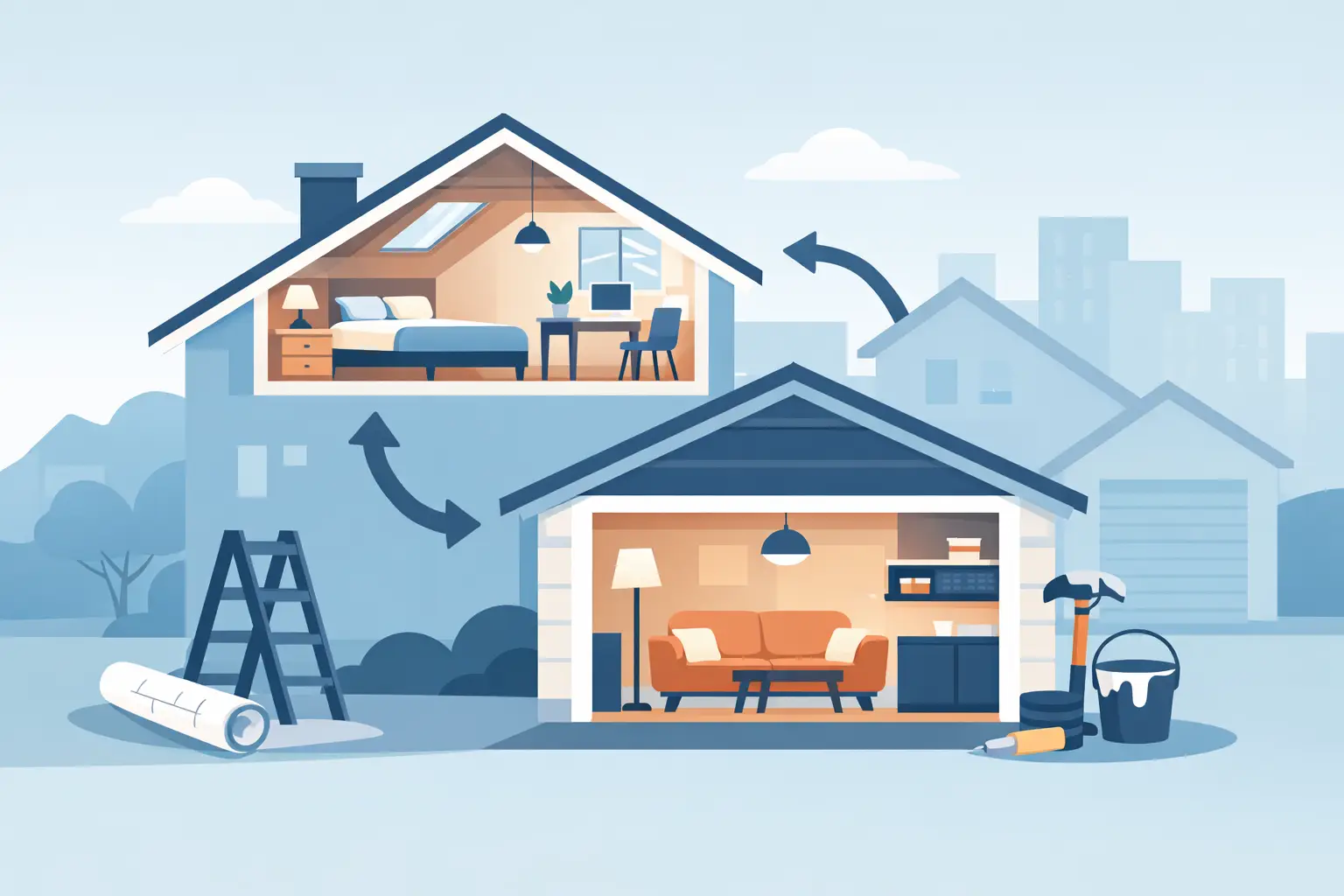
Running out of room does not always mean moving house. For many homeowners, loft and garage conversions offer a practical way to gain the extra space they need without leaving a street, school catchment or neighbourhood they already love. The right choice depends on how your house is laid out, what kind of room you need, and how far you want to go with the work.
Some homes have a loft with excellent head height but no useful garage. Others have a large attached garage that has become little more than storage for bikes, tools and boxes. In some cases, both spaces have potential. The best starting point is not which conversion sounds most impressive, but which one will improve day-to-day living in the most sensible way.
What loft and garage conversions can do for your home
A good conversion is not just about adding square footage. It is about making better use of space you already own. That could mean creating a quieter bedroom away from the main living areas, a home office with proper separation from family life, or a playroom that stops the lounge being taken over by toys.
Loft conversions are often chosen when homeowners want a substantial new room, or even a master bedroom with an en suite. Because the space sits above the main part of the house, it can feel private and tucked away. That makes it a strong option for growing families or for households where older children need more independence.
Garage conversions tend to be more straightforward in the right property. If the garage is attached or integral, and if you do not rely on it for parking, it can become a highly usable room with less structural change than a loft. For many households, that means a quicker route to a new office, snug, utility room, gym or ground-floor bedroom.
How to choose between loft and garage conversions
The right answer depends on your home and how you live in it. A loft conversion usually gives you more separation and can create a real sense of added accommodation. A garage conversion often offers easier access and can work especially well if you need flexible family space on the ground floor.
Head height is one of the biggest factors with lofts. If the existing roof space is too shallow, the project may require more structural work to make it practical, which can affect cost and complexity. Access also matters. A proper staircase needs to fit naturally into the house without making the floor below feel cramped or awkward.
With garages, the key question is whether the space is genuinely spare. Many people say they do not use the garage for a car, but they do rely on it for storage. If that storage still matters, you need a plan for where everything will go. Otherwise, the new room can be a success while the rest of the house becomes cluttered.
There is also the question of how the new room should connect with the rest of the property. A garage conversion usually feels like an extension of the main ground floor, which suits open-plan living or additional reception space. A loft is more separate, which may be better for sleeping accommodation or a quiet working area.
Loft conversions: when they make the most sense
If your main problem is bedroom space, a loft conversion is often the stronger choice. It can turn dead space under the roof into a bright, well-planned room that feels like a natural part of the house rather than an add-on. In many properties, it is one of the most effective ways to create an extra bedroom without sacrificing garden space.
That said, not every loft is equally suitable. Roof structure, height, the position of water tanks or chimney stacks, and the shape of the house all influence what is possible. Some lofts are ideal for a straightforward room conversion, while others need dormers or more extensive alterations to become comfortable and compliant.
Natural light is another advantage when the design is handled properly. Roof windows and dormers can bring in far more daylight than people expect. Done well, the new room can feel open and airy rather than tucked into the eaves.
The trade-off is that loft conversions are usually more involved than garage conversions. They need careful structural planning, a compliant staircase, insulation upgrades and close attention to fire safety. That does not make them a poor choice – far from it – but it does mean experience and project coordination matter.
Garage conversions: when they offer the better return
Garage conversions are often ideal when you need practical living space without major upheaval. Because the basic structure is already there, the work can be more contained. For families who need a playroom, office, guest room or better utility arrangement, that can make a real difference.
They are especially useful when the existing layout leaves the ground floor short on usable rooms. A converted garage can take pressure off the kitchen, dining room or lounge and make the whole house function better. In some homes, it also creates an opportunity to rework the rest of the downstairs layout at the same time.
One thing to think through carefully is kerb appeal. If your street has a consistent look, the front of the former garage needs to blend in properly with the house. A poor conversion is easy to spot. A well-finished one should look as though it was always part of the original design.
Parking can also be a deciding factor. If off-road parking is limited, losing a garage may not suit your household or future buyers. On the other hand, if the garage has never been practical for modern vehicles, converting it may be a far better use of space than keeping it out of habit.
Planning, building regulations and practical design
Many loft and garage conversions fall within permitted development, but not all do. The age of the property, previous alterations, the size of the proposal and whether you live in a restricted area can all affect what permissions are needed. This is where professional guidance saves time and prevents expensive missteps.
Even where planning permission is not required, building regulations still matter. Structural stability, insulation, ventilation, escape routes, electrics and sound performance all need to be considered. A conversion should not just look good on the surface. It needs to work properly, feel comfortable year-round and meet the standards expected of a habitable room.
Design choices have a big impact on how successful the final result feels. In lofts, storage built into the eaves can make a huge difference. In garage conversions, floor levels and ceiling insulation need proper attention so the room does not feel colder or lower quality than the rest of the house. These details are where a professional finish really shows.
For homeowners in Staffordshire and Cheshire, local knowledge is helpful too. Different property styles – from traditional semis to newer estates – can present different opportunities and constraints. An experienced contractor can usually spot early on whether a project is likely to be straightforward or whether it needs a more considered approach.
Budget, disruption and long-term value
Cost matters, but cheapest is rarely best with conversion work. A low quote can miss key items, leave out finishes, or underestimate the complexity of structural changes. It is far better to have a clear, honest understanding of what is included from the beginning.
In broad terms, garage conversions can be more affordable because the structure is already more accessible and easier to adapt. Loft conversions often cost more, but they can also create more valuable accommodation, particularly when adding an extra bedroom and bathroom.
Disruption is another part of the decision. Garage conversions may keep more of the main house untouched during the build. Loft conversions can involve more movement through the property, especially when fitting the staircase and carrying out internal finishing work. A well-managed project still keeps disruption under control, but it is sensible to know what to expect.
Long-term value depends on quality and suitability. The best conversion is the one that genuinely improves how your home functions. An extra bedroom in the loft may carry strong resale appeal. A garage conversion that creates a much-needed family room may transform daily life even more. It depends on the property, the area and your priorities.
At Woodlyn Construction Ltd, we often find that the most successful projects begin with a simple conversation about how a homeowner wants the house to work better. Once that is clear, the right route usually becomes much easier to see.
If you are weighing up your options, think less about the label and more about the result. The right conversion is the one that gives your home the space it has been missing, while still feeling like it belongs there.