
Garage Conversion Cost UK: What to Expect
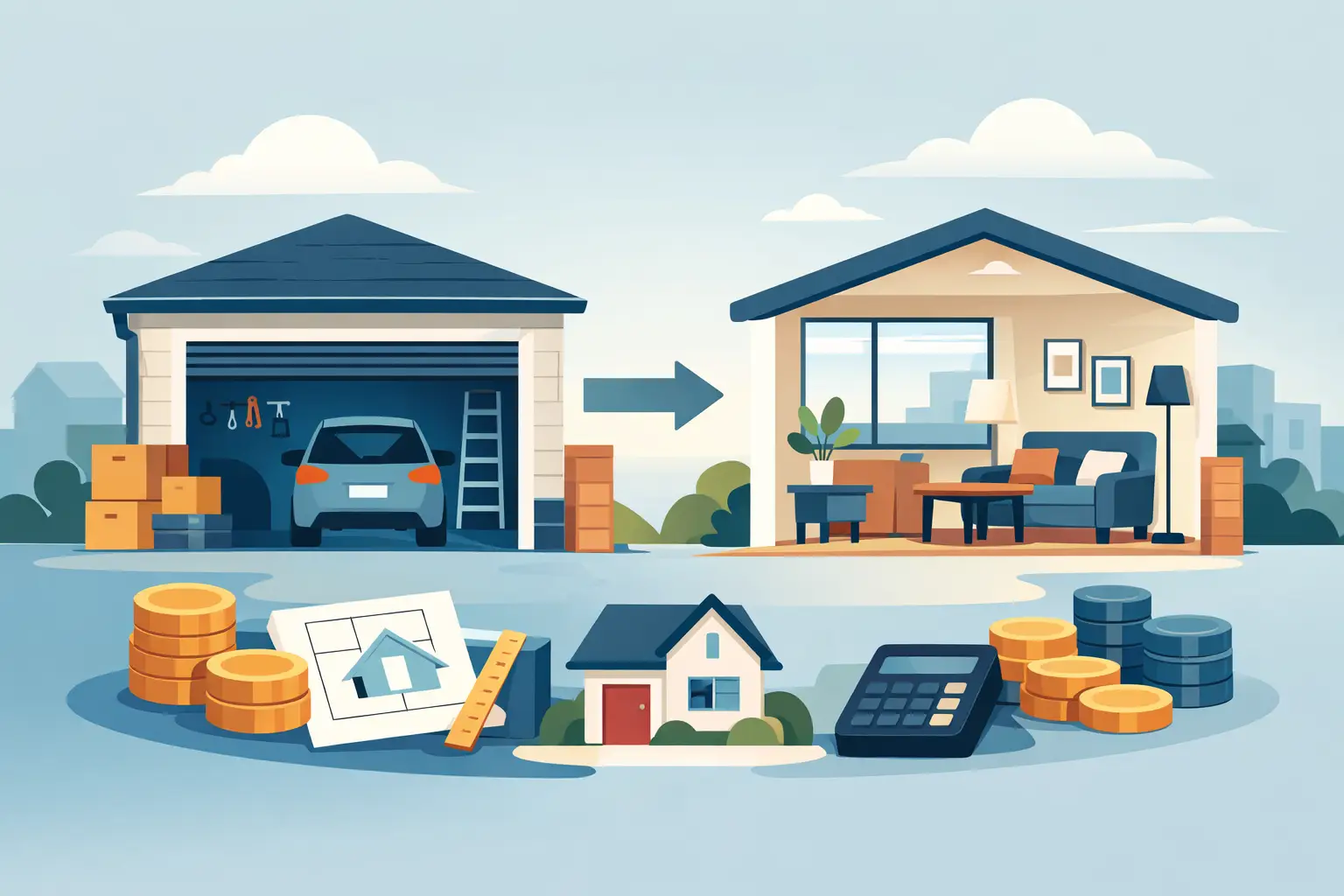
Most homeowners start by asking the same question: what is a realistic garage conversion cost UK projects actually come in at? It is a fair question, but the honest answer is that the price depends on the condition of the garage, the standard of finish, and what you want the new room to do. A simple conversion into a home office or playroom will usually cost less than creating a guest suite with a shower room, upgraded insulation and more structural work.
For many households, converting the garage is one of the most cost-effective ways to gain extra living space without extending outward or moving house. You are already working with an existing structure, which can keep costs lower than a full extension. That said, not every garage is ready to be turned into a comfortable room without some investment behind the scenes.
Average garage conversion cost UK homeowners should budget for
As a broad guide, a standard single garage conversion in the UK often starts from around £8,000 to £15,000 for a straightforward project. A more detailed or higher-spec conversion can move into the £15,000 to £25,000 range, particularly if you are adding a bathroom, bespoke storage, upgraded electrics or structural alterations. Double garage conversions will naturally cost more, often from £18,000 upwards depending on scope.
These figures are useful as starting points, but they are not fixed. Two garages that look similar from the outside can vary quite a bit in cost once work begins. One may already have a sound floor slab, decent head height and dry walls, while another may need damp-proofing, floor build-up, roof repairs or steelwork.
That is why an accurate quote matters more than a rough online estimate. A proper survey helps uncover the details that drive the budget up or keep it under control.
What affects garage conversion costs?
The biggest factor is usually the condition of the existing garage. If the structure is solid and the shell needs only insulation, new windows, electrics and internal finishes, the project is often relatively straightforward. If the garage has a poor roof, an uneven floor or signs of damp, the work becomes more involved.
The intended use also matters. Turning a garage into a simple sitting room, office or gym is usually more affordable than converting it into a self-contained annexe or bedroom with en-suite. Plumbing, drainage, ventilation and higher specification finishes all add to the total.
Structural work and layout changes
One of the most common jobs in a garage conversion is replacing the garage door with a new wall and window. In many cases this is simple enough, but if the opening needs structural support or the layout is being changed more significantly, costs rise. If internal walls are being removed to connect the garage to the main house, steel beams may also be needed.
Head height can be another issue. Some garages have floors that sit lower than the rest of the property, or roofs that leave little room for proper insulation. Adjusting floor levels or roof construction is possible, but it does affect the budget.
Insulation and heating
A garage built for storage or parking is rarely comfortable enough for everyday living. Walls, floors and ceilings usually need upgrading to meet current standards and make the room usable all year round. This is one area where cutting corners tends to be a false economy.
Good insulation does more than satisfy building regulations. It helps the room feel like part of the home rather than an afterthought. Heating also needs to be considered early on, whether that means extending the central heating system, installing electric underfloor heating or using modern electric radiators.
Electrics, plumbing and lighting
A basic conversion might only need extra sockets, lighting and perhaps internet cabling for a home office. If you are adding a utility area, kitchenette or shower room, the electrical and plumbing requirements become much more extensive.
Drainage can be a particular cost point if the garage sits away from the main soil pipe or existing water services. It is not always a problem, but it is one of those practical details that needs checking before budgets are finalised.
Doors, windows and finishes
The final appearance has a real effect on price. Standard plastered walls, simple skirting boards and mid-range flooring will keep costs sensible. Bespoke joinery, rooflights, aluminium glazing or premium flooring will lift the finish and the spend.
This is where priorities matter. Some homeowners want a clean, practical extra room and prefer to keep the specification straightforward. Others see the garage conversion as a key part of a wider home improvement and want it to match the rest of a renovated property.
Planning permission and building regulations
In many cases, a garage conversion does not require full planning permission, especially if the work is internal and the structure is not being enlarged. However, there are exceptions. This can depend on your property type, previous planning conditions and whether parking provision must be retained.
Building regulations approval is a separate matter and is usually required. This covers important aspects such as insulation, fire safety, ventilation, structural stability and drainage. It is not just paperwork. It is there to ensure the new room is safe, efficient and suitable for living in.
If your project needs drawings, calculations or approvals, these should be factored into the overall cost. Professional guidance at the start often saves money and stress later.
Is a garage conversion cheaper than an extension?
Usually, yes. Because the main structure is already there, a garage conversion is often more affordable than building a new extension from scratch. There is less groundwork, less external construction and often a shorter programme overall.
That said, cheaper does not always mean cheap. If a garage needs significant remedial work or the conversion is being fitted out to a very high standard, the gap can narrow. The best way to look at it is value for money. If you can gain a genuinely useful room with less disruption and a lower spend than moving house, it can be a very smart investment.
Will it add value to your home?
A well-designed garage conversion can add value, but only if it improves how the house works. An extra bedroom, office, playroom or family room can make a property more attractive to future buyers, especially where living space is limited.
The trade-off is parking and storage. If losing the garage creates a problem for cars, bikes, tools or household overflow, that can affect how buyers see the property. This matters more in areas where off-road parking is limited or garages are heavily relied upon.
The strongest conversions feel fully integrated with the rest of the house. They do not feel cold, dark or obviously converted. When the room flows properly and solves a real space issue, the value tends to be clearer.
How to keep your garage conversion cost under control
The best starting point is clarity. Decide how you want to use the room before design work begins. A flexible brief often turns into added extras halfway through the build, and that is when costs can drift.
It also helps to separate essentials from upgrades. Proper insulation, heating, electrics and compliance work should never be treated as optional. Decorative finishes, built-in furniture and premium materials can often be adjusted to suit your budget.
Working with one experienced contractor from design through to completion can also make a real difference. It keeps communication simpler, reduces gaps between trades and helps avoid the kind of missteps that lead to delays or unexpected costs. For homeowners in Staffordshire and Cheshire, that joined-up approach is often the difference between a project that feels manageable and one that becomes hard work.
Getting an accurate quote
If you are comparing prices, make sure you are comparing like for like. A low quote may not include plastering, heating, flooring, building control fees or final decoration. Another quote may allow for all of those items and seem higher at first glance, while actually offering better value.
Ask what is included, what assumptions have been made and whether any provisional sums are in the price. A reliable builder should be happy to explain the figures in plain English.
At Woodlyn Construction Ltd, we often find that homeowners are less concerned about chasing the lowest number and more interested in knowing the job will be done properly. That usually means realistic pricing, a clear scope of work and advice that reflects the property you actually have, not a generic online average.
A garage conversion can be one of the most practical upgrades you make to your home. If the space is underused and the layout of your house no longer suits how you live, converting that square footage can be a sensible next step. The key is to start with a realistic budget, a clear plan and a team that looks at the details properly before work begins.